
Great Barrier Reef facts at a glance
The Great Barrier Reef lies off the coast of Queensland. The Marine Park covers 344,400 km² and runs for about 2,300 km. It holds roughly 3,000 individual coral reefs, and the reef has been a World Heritage Area since 1981.
You see most of it from a boat. Our pages on Great Barrier Reef snorkeling tours and the reef day trips show how people get there.
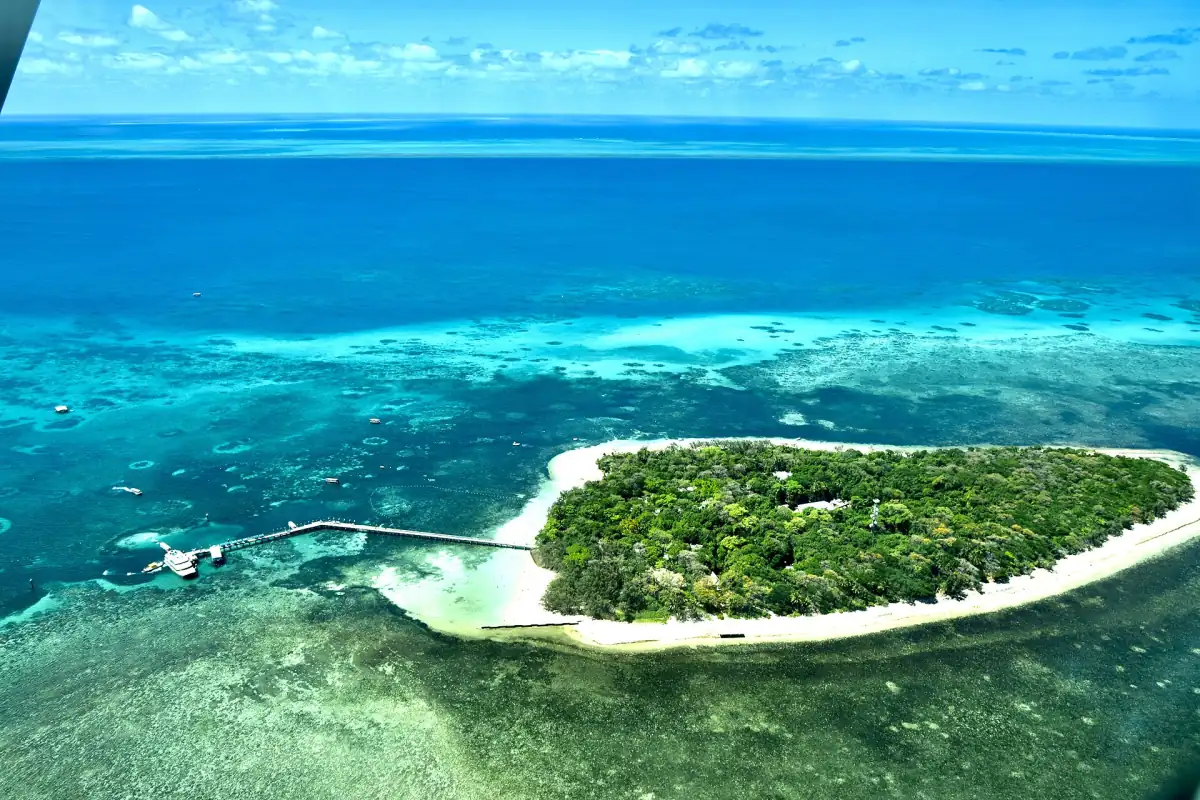
Our pick: a reef trip with a marine biologist
Our take: if you want the reef facts explained on site, this outer reef cruise includes a talk by a marine biologist.
Hand-picked tours, booked through GetYourGuide. Prices are indicative starting prices in Australian dollars (as of October 2026). Tap a tour for live availability and the current price in your currency.
Great Barrier Reef tours to see it yourself
Day trips to pontoons and islands from Cairns, Port Douglas and Airlie Beach, with live prices and availability.
Size, islands and boundaries
Two protected areas overlap, and they are not the same size.
| Marine Park | World Heritage Area | |
|---|---|---|
| Area | 344,400 km² | 348,000 km² |
| Length | About 2,300 km | About 2,300 km |
| Listed or created | 1975, by law | 1981 |
| Islands | About 600 continental islands, 300 coral cays and 150 inshore mangrove islands | Counts of over 900 up to 1,050 islands, depending on what is included |
The numbers depend on the boundary and on what counts as an island, so treat any single island total with care. For fees and zoning the Marine Park is the area that matters. For a visit, the most useful fact is that the reef is a string of separate reefs, from fringing reefs near the coast to outer reefs at the edge of the shelf. See pontoons, sailing and liveaboards for the boat options that reach them.
How old is the Great Barrier Reef?
The oldest northern parts of the reef began to form about 500,000 years ago. That is the age of the reef structure. It is not the age of the corals living there today, and it is not the age of every reef surface.
Zones and rules
The Marine Park has 8 zone types. Protection runs from General Use to Preservation. Green Zones are no-take areas, which means no fishing or collecting. They are not closed to visitors. Check the current zoning map and local rules for the activity you plan.
The reef fee (environmental management charge) is A$8.50 for a day of 3 hours or more in the Marine Park in 2026 and A$4.25 under 3 hours. A$9.00 and A$4.50 are announced from 1 April 2027. It is not a general ticket to the whole reef.
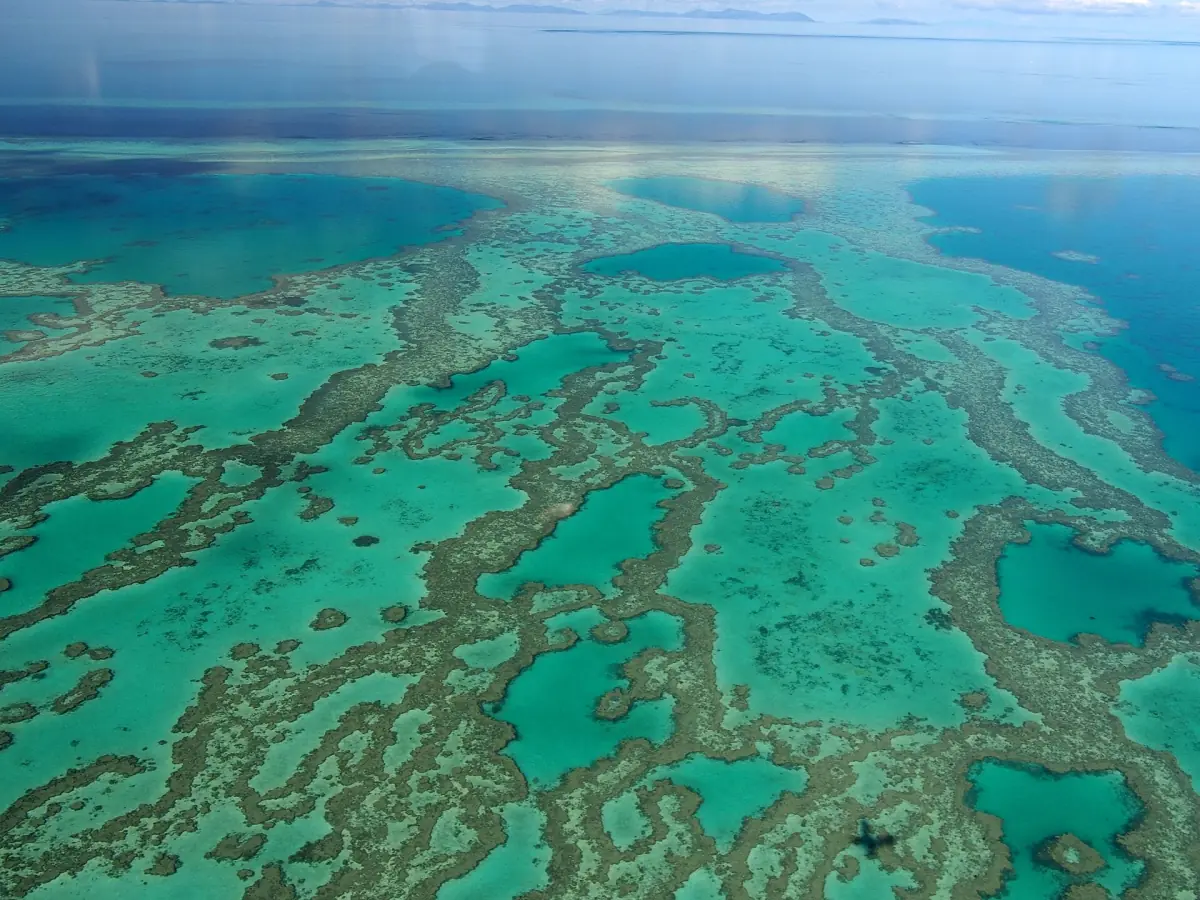
Great Barrier Reef animals
What lives on the reef, by group.
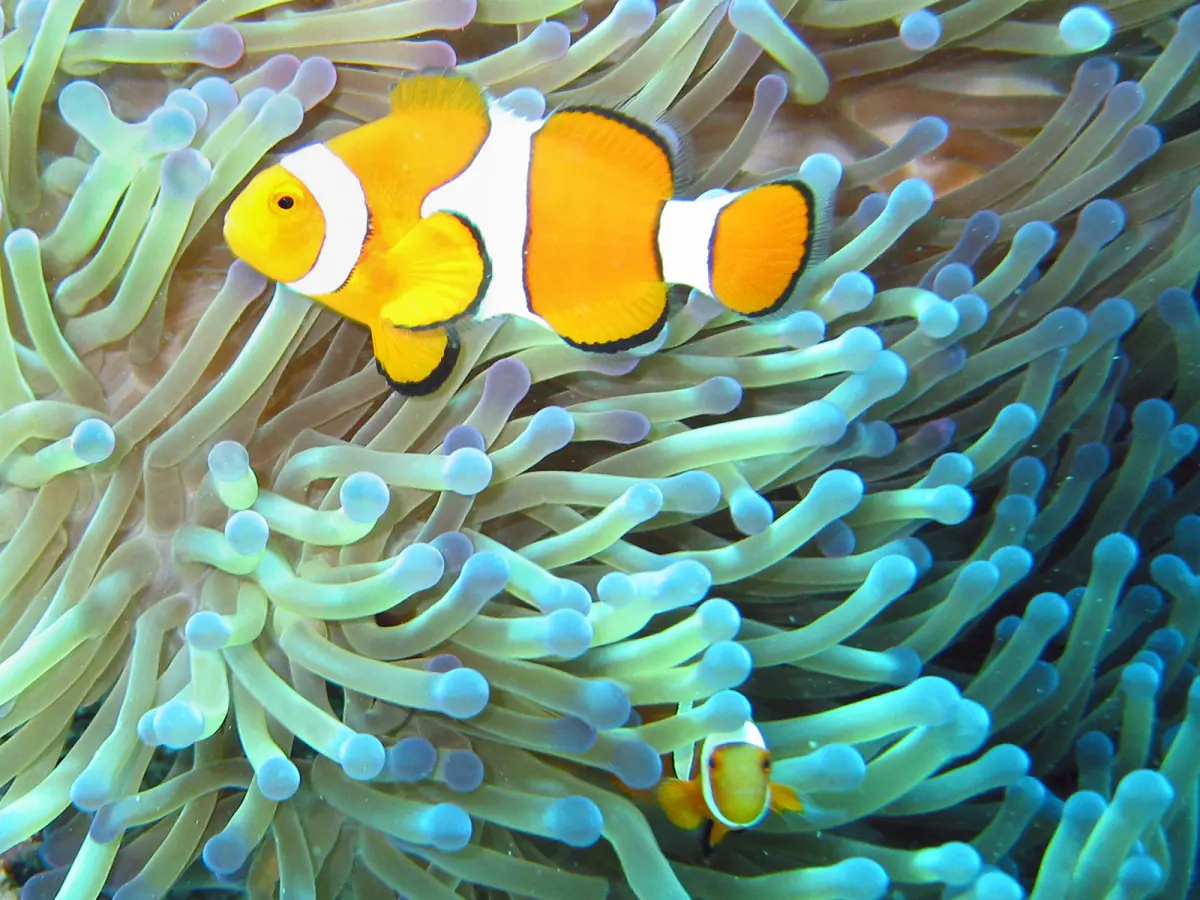
1,625 fish species
From small anemonefish to large reef fish. Sightings are never guaranteed.
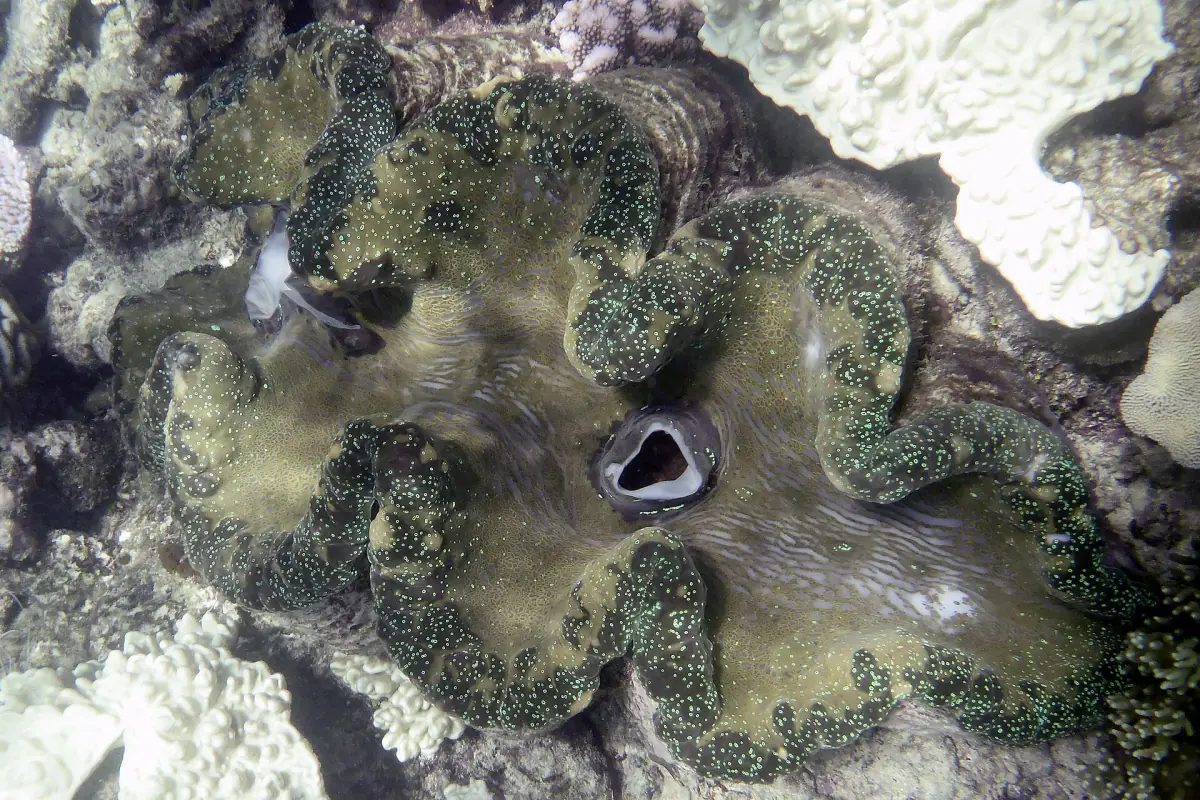
450 types of hard coral
Pass giant clams at more than 1 m.
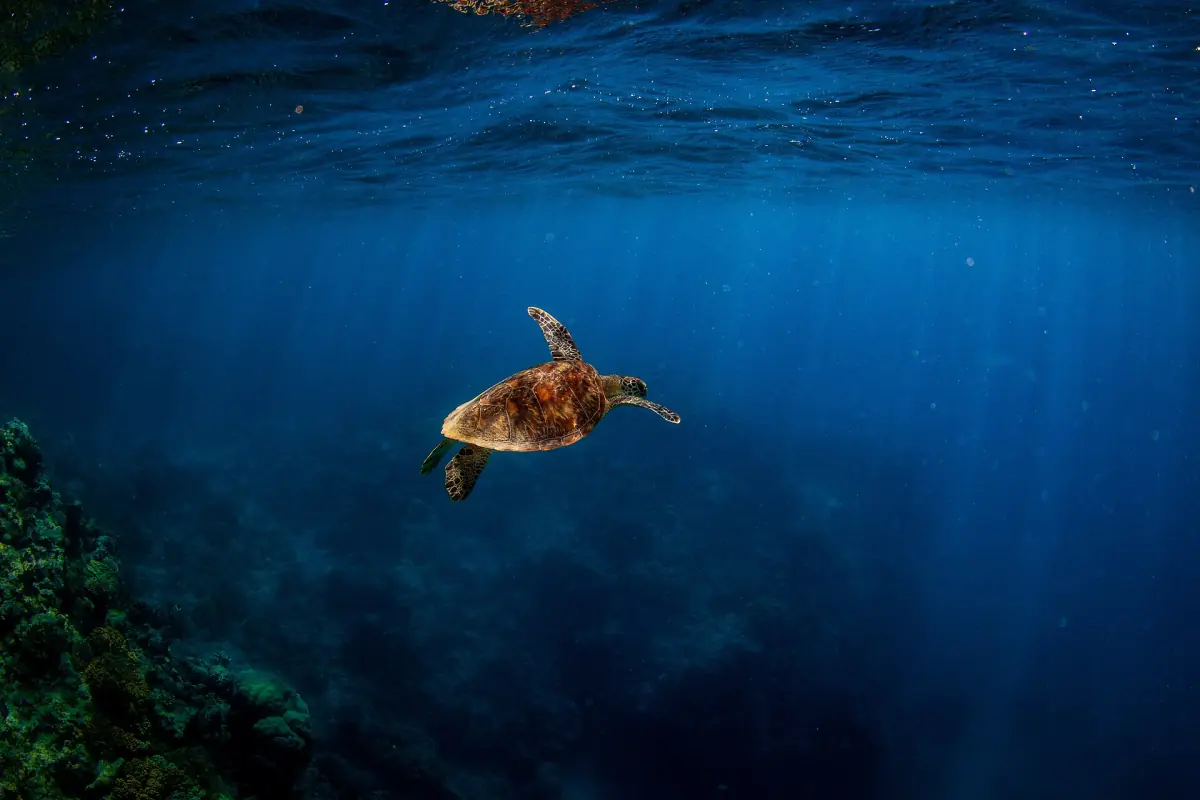
6 species of sea turtle
Nesting runs from November to March.
Corals and fish
The reef holds 450 types of hard coral and 1,625 species of fish. The counts use different categories, so do not add them up into one total.
Turtles
Six sea turtle species live here. On Lady Elliot Island nesting runs from November to March and hatching usually from February to April. On Heron Island green turtles and loggerheads nest from November to March, with the first hatchlings from early January. Keep torches off the night beach and never carry hatchlings. Lady Elliot and Heron Island →
Whales and dolphins
More than 30 species of whale and dolphin occur. Humpback whales visit from May to September, and minke whales are seen mostly from May to July in the Ribbon Reefs north of Cairns. Boats keep at least 100 m away, and 300 m from calves and in the Whitsunday Whale Protection Area. A sighting is never guaranteed.
Best time to visit →Rules in the water
Do not touch corals or animals, do not lean on coral or stand on it and do not chase animals or block their path.
Great Barrier Reef history
The reef is Sea Country for more than 70 Traditional Owner groups. Their cultural connections reach back over 60,000 years. The area was not empty before Europeans arrived, and it was never "discovered" as an uninhabited place.
The Marine Park was created by law in 1975. The reef was inscribed as a World Heritage Area in 1981. The Daintree Rainforest belongs to a different World Heritage Area, the Wet Tropics, which dates from 1988. Read more on our Daintree page.
How is the reef doing?
Hard coral cover has fallen after bleaching and cyclones and has partly recovered in the north. The figures, with years, are on our page Is the Great Barrier Reef dying?
Great Barrier Reef facts: frequently asked questions
How big is the Great Barrier Reef?
The Marine Park covers 344,400 km² and is about 2,300 km long. The World Heritage Area is 348,000 km². They are two different boundaries.
How many islands are there?
The counts differ with the boundary. The Marine Park has about 600 continental islands, 300 coral cays and 150 inshore mangrove islands. For the World Heritage Area the count runs from over 900 up to 1,050 islands.
How old is the Great Barrier Reef?
The oldest northern parts began to form about 500,000 years ago. The living corals you see are much younger than that.
How many species live on the reef?
There are 450 types of hard coral, 1,625 fish species, 6 sea turtle species and more than 30 whale and dolphin species. The categories differ, so there is no single total.
Who has the longest connection to the reef?
More than 70 Traditional Owner groups. Their Sea Country connections to the reef go back over 60,000 years.
Is this the official website of the Great Barrier Reef?
No. This is an independent travel guide, not connected to the Marine Park Authority or any tourism body or operator.