
The best time to visit the Great Barrier Reef depends on your plan
There is no single best month. Cairns is statistically drier from May to October, and the higher stinger risk runs from November to May. Summer brings heat, heavy rain and the official cyclone season. Winter brings cooler water and the whale season. None of this guarantees clear water or calm seas on your day.
If you already know your dates, compare Great Barrier Reef tours and pontoon and sailing trips for that month. If you are still choosing, the table below shows what each month looks like.
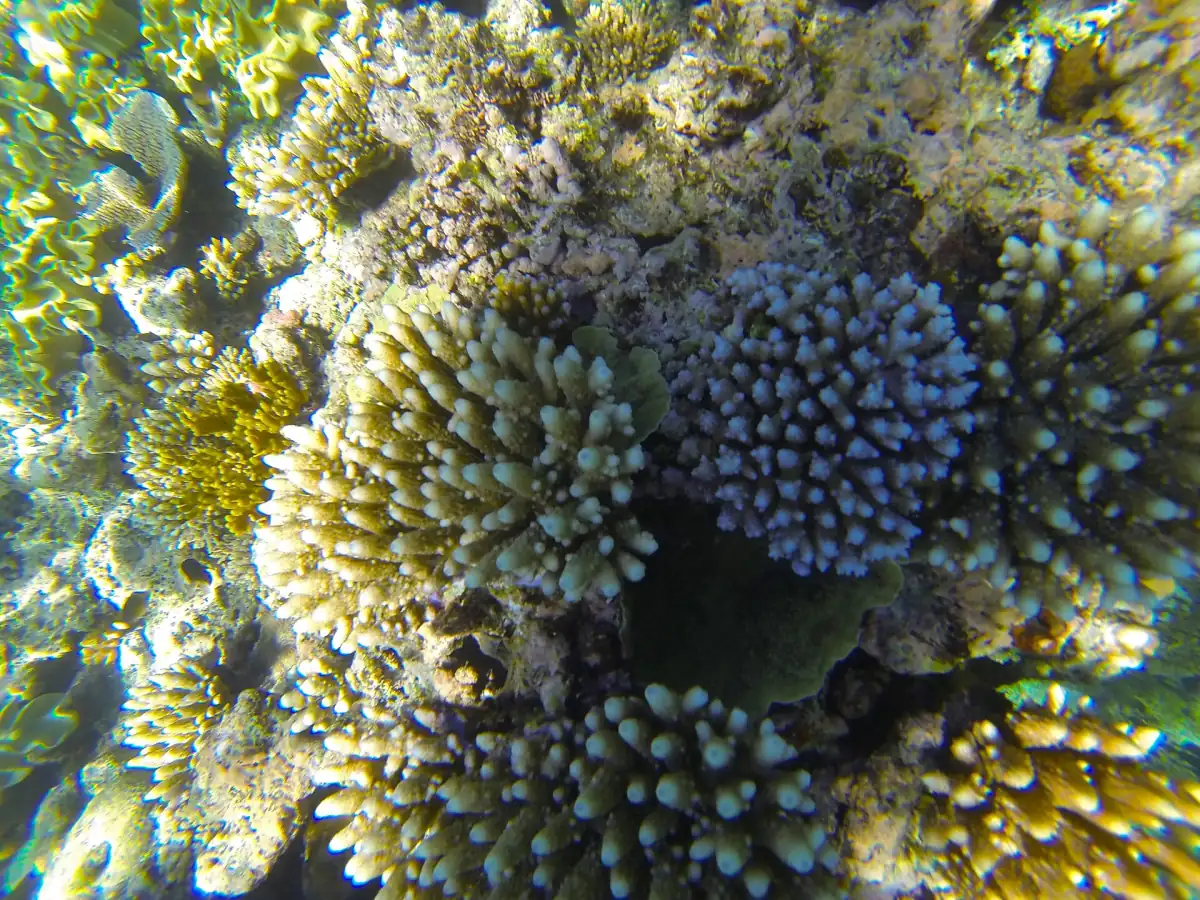
The Great Barrier Reef month by month
Cairns averages from the Bureau of Meteorology, plus typical outer reef water temperature off Cairns, rounded.
| Month | Rain in Cairns (mm) | Day / night (°C) | Water (°C) | What to expect |
|---|---|---|---|---|
| January | 404.8 | 31.5 / 23.8 | 29 | Very wet, cyclone season, high stinger risk |
| February | 436.1 | 31.3 / 23.8 | 29 | The wettest month on average |
| March | 424.3 | 30.7 / 23.2 | 29 | Very wet, cyclone season, high stinger risk |
| April | 201.7 | 29.4 / 21.8 | 28 | Rain eases, cyclone season ends on 30 April |
| May | 91.6 | 27.7 / 20.0 | 27 | Drier, whale season begins, stinger risk still higher |
| June | 45.7 | 26.2 / 18.0 | 25 | Dry, lower stinger risk, minke and humpback whales |
| July | 33.2 | 25.9 / 17.2 | 24 | The coolest month, dry |
| August | 26.9 | 26.7 / 17.4 | 24 | The driest month on average |
| September | 34.8 | 28.2 / 18.8 | 24 | Dry and warming, humpback season ends |
| October | 47.2 | 29.7 / 20.7 | 26 | Dry and warmer |
| November | 87.9 | 30.8 / 22.4 | 27 | Cyclone season and the high-risk stinger season begin |
| December | 193.8 | 31.5 / 23.4 | 28 | The wet season builds, high stinger risk |
For most visitors who want dry days and a lower jellyfish risk, June to October is the safer window. If you travel from November to April, plan for rain and for full-body protection in the water. The full climate tables are on the Cairns weather page.
Our pick: a winter snorkel trip
Our take: wetsuits are provided from June to September and whales can be seen from July to September, so this fits a winter visit.
Hand-picked tours, booked through GetYourGuide. Prices are indicative starting prices in Australian dollars (as of October 2026). Tap a tour for live availability and the current price in your currency.
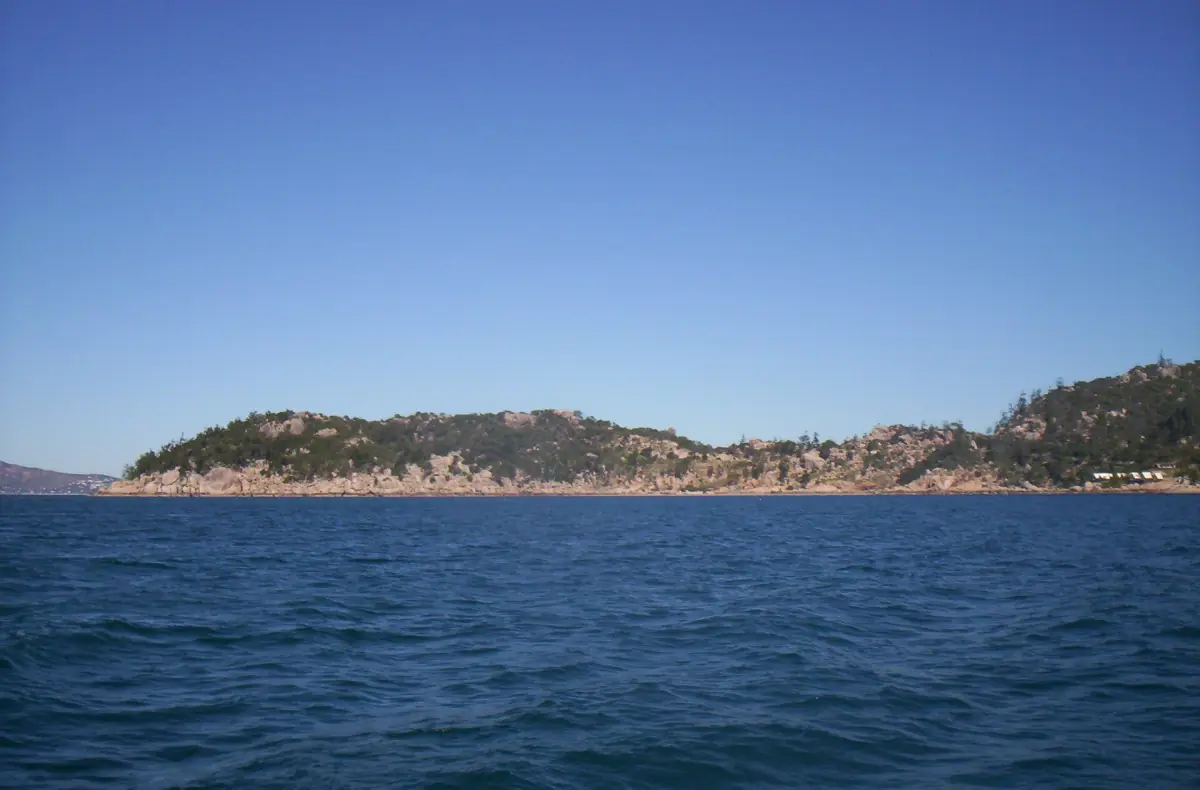
Great Barrier Reef tours by season
Outer reef trips, snorkeling, dives, sailing and scenic flights, with live prices and availability.
Stinger season: jellyfish on the Great Barrier Reef
Box jellyfish and Irukandji can be life-threatening. The higher-risk season is mostly November to May, but dangerous jellyfish can occur all year. Do not treat June to October as risk-free.
Full-body lycra or a wetsuit is the standard protection. Some outer reef trips include stinger suits in the price, such as the Hardy Reef day trip from Airlie Beach. On the mainland, stinger enclosures protect to a high degree against box jellyfish, but they are not completely stingersafe. If a beach is closed, do not swim, even if a net is in place. At Green Island jellyfish are possible in every season.
For a tropical sting, call 000, apply vinegar and get medical help. Irukandji symptoms can start 20 to 40 minutes after the sting. More on gear and safety is on the snorkeling page.
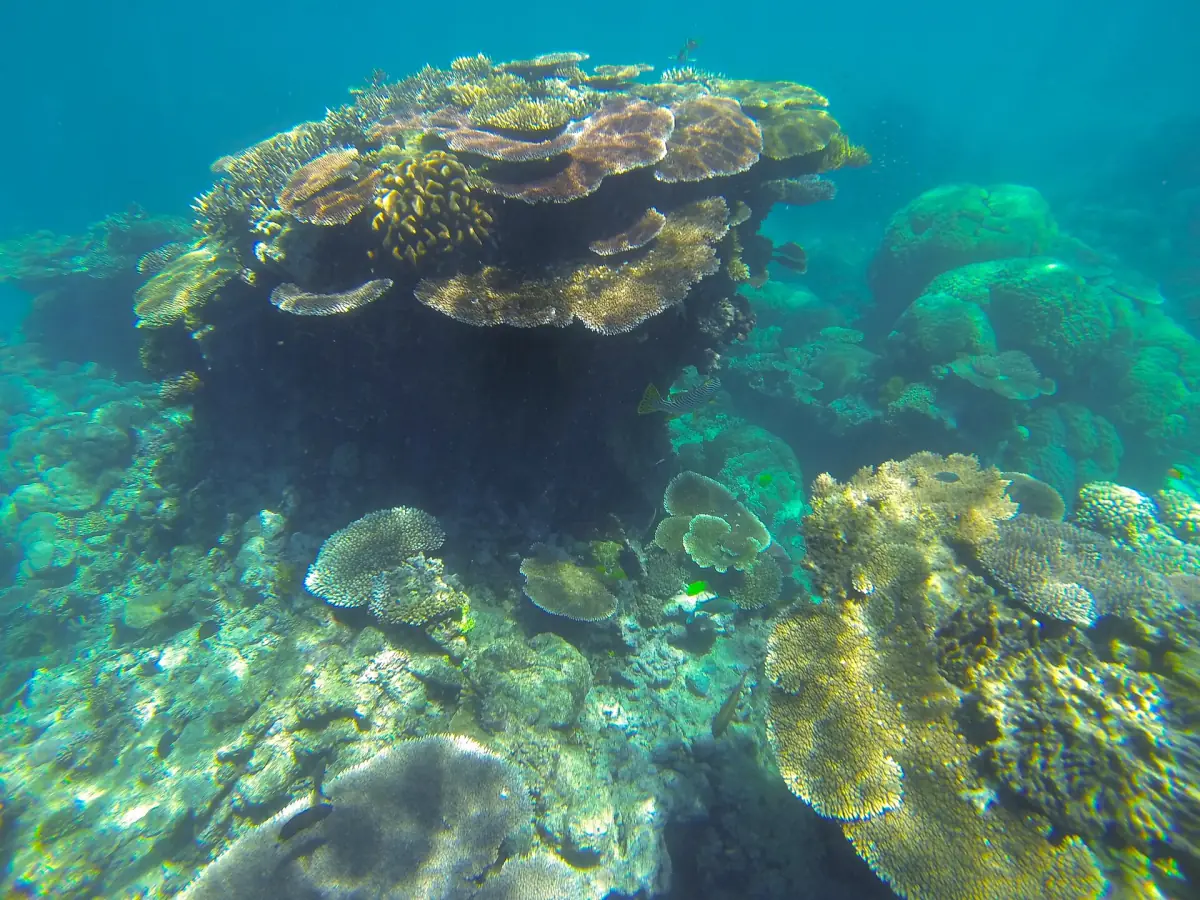
Cyclone season, rain and boat trips
What the wet months mean in practice.
The official season
The tropical cyclone season runs from 1 November to 30 April. That is not a closing time for the reef, and storms outside those dates are not ruled out.
Rain
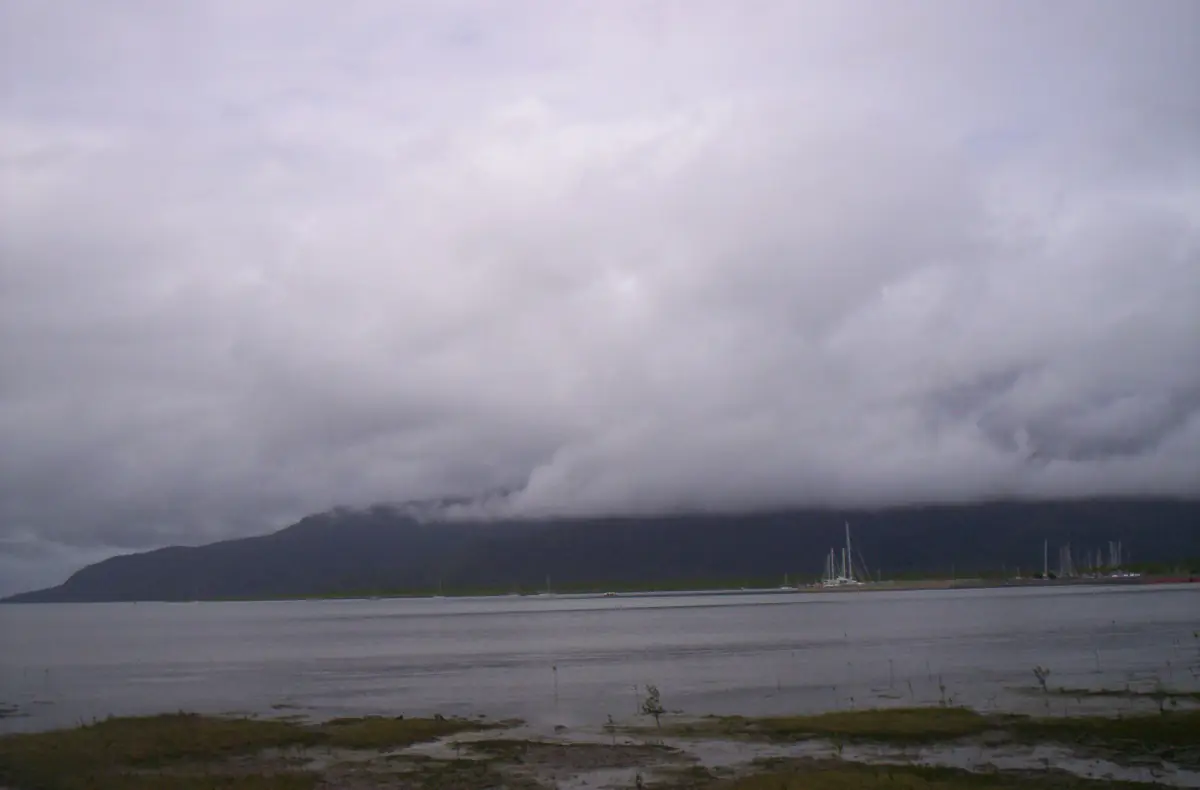
Cairns averages more than 400 mm a month from January to March, against 26.9 mm in August. Heavy rain can cancel trips, so keep a spare day in summer.
Seas
The ride to the outer reef takes about 90 minutes each way from Cairns to Moore Reef and depends on the weather. Operators decide on the day whether a trip runs.
Whale season and turtle nesting
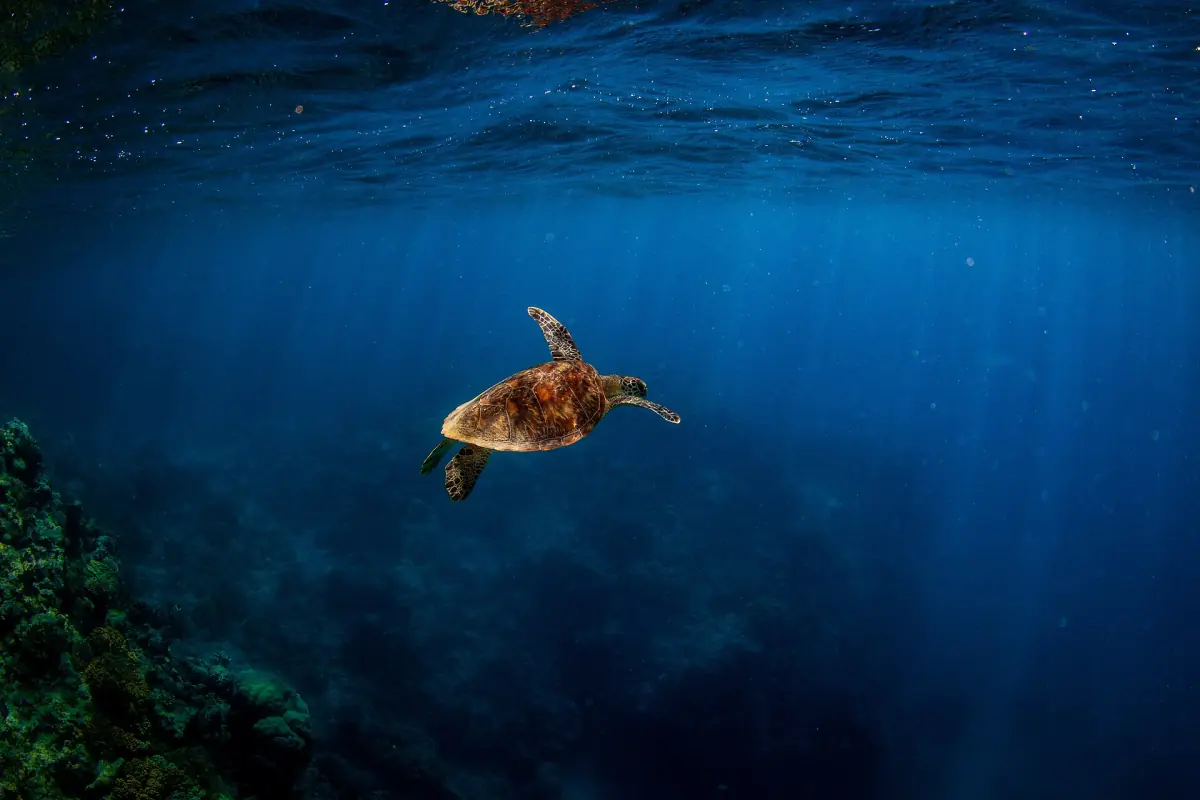
Humpback whales visit from May to September. Minke whales are seen especially from May to July in the Ribbon Reefs north of Cairns. There is no guarantee of a sighting on any trip. Boats keep at least 100 m from whales, and 300 m from calves and inside the Whitsunday Whale Protection Area.
Green turtles and loggerheads nest on Heron Island from November to March, and the first hatchlings appear from early January. On Lady Elliot Island, nesting runs from November to March and hatching usually from February to April. Keep torches off on the beach at night and never touch or carry hatchlings. See the guide to Lady Elliot and Heron Island.
Which month suits which plan
Pick by activity, not by a single best month.
Snorkeling and diving
Water is warmest from January to March at 29 °C and coolest from July to September at 24 °C. Visibility cannot be promised for any month.
Diving guide →Whitsundays and Whitehaven Beach
Proserpine, the nearest weather station for Airlie Beach, is driest from June to October. September averages 17.8 mm.
Whitsundays guide →Daintree and Port Douglas
The Cape Tribulation road can get worse quickly in heavy rain. Allow time in summer and check conditions before you go.
Daintree guide →Reef condition
Mass bleaching has been recorded in 1998, 2002, 2016, 2017, 2020, 2022, 2024 and 2025. Bleaching affects reefs unevenly and does not always mean coral death.
Reef condition →Plan the rest of your trip
Weather, a base and the way in.
Best time to visit the Great Barrier Reef: frequently asked questions
What is the best month to visit the Great Barrier Reef?
There is no universal best month. June to October is the drier period in Cairns with a lower stinger risk. January to March is hot and wet. Choose by activity and accept that weather and water clarity cannot be promised.
When is stinger season?
The higher-risk season is mostly November to May. Dangerous jellyfish can occur all year, so use full-body protection and follow local warnings and closures in every month.
Is there a cyclone season on the Great Barrier Reef?
Yes. The official tropical cyclone season runs from 1 November to 30 April. It is not a closing period, but storms can disrupt trips, so allow flexibility if you travel then.
When can I see whales?
Humpback whales are present from May to September, and minke whales especially from May to July in the Ribbon Reefs. No trip can promise a sighting.
How warm is the water at the outer reef?
Off Cairns, rounded monthly values run from 24 °C in July to September up to 29 °C from January to March. These are not exact values for every reef.
Is great-barrier-reef.org an official website?
No. This is an independent travel guide. It is not connected to the Great Barrier Reef Marine Park Authority, Tourism Australia, any tour operator or any hotel.