
Is the Great Barrier Reef dying?
There is no single share of the reef that is dead. Bleaching hits reefs unevenly, and a bleached coral is not automatically a dead one. Coral cover also varies by region, so the north, the centre and the south each tell a different story.
The latest survey shows some recovery in the north and little change elsewhere, with no all-clear. If you plan a trip, our Great Barrier Reef tours page shows the options and prices.
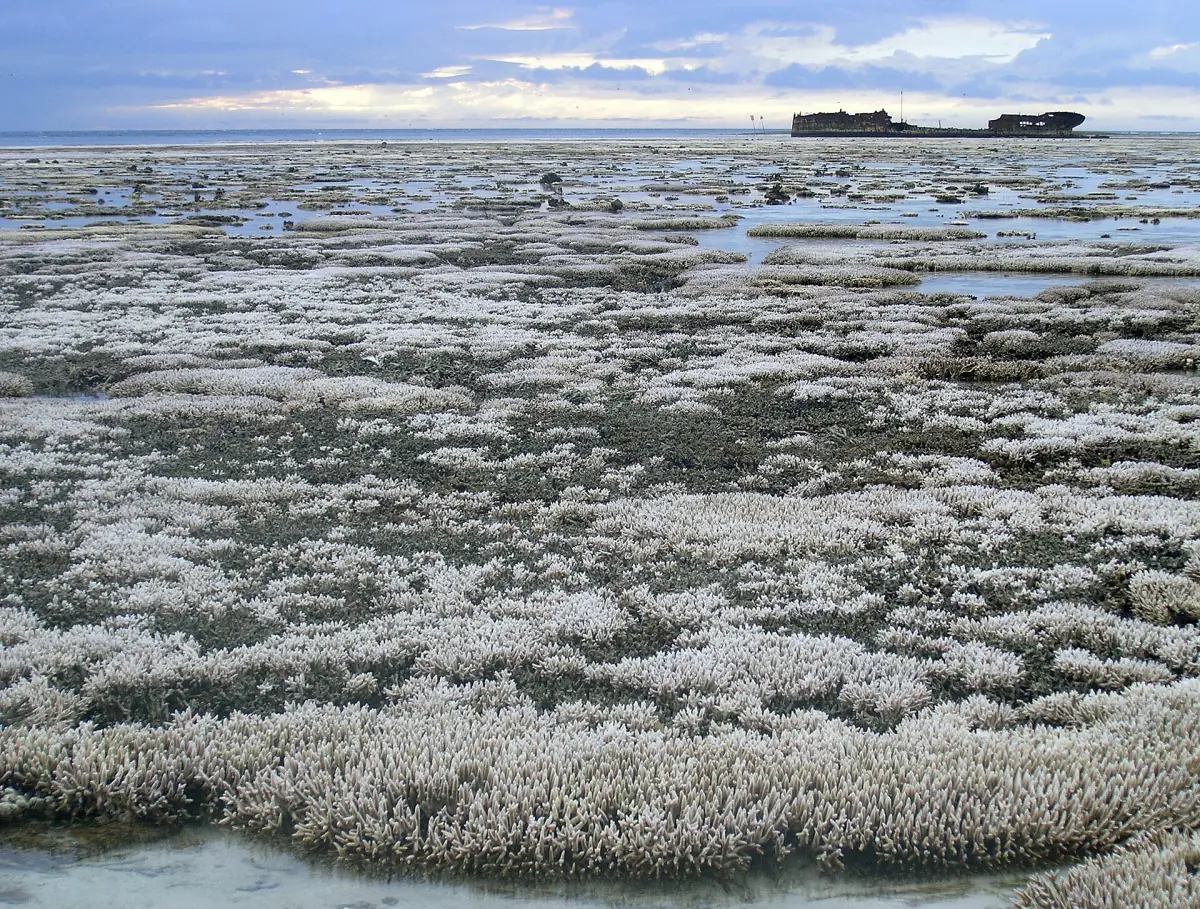
Great Barrier Reef coral bleaching: what it is
Bleaching is not automatically complete coral death. It affects reefs unevenly, so one reef can look very different from the next.
The Australian Institute of Marine Science studied large-scale mass bleaching in 1998, 2002, 2016, 2017, 2020, 2022, 2024 and 2025. That is 8 events in about 27 years.
Our pick: a reef day trip with a marine biologist talk
Our take: this day trip includes a marine biologist talk and time in the water, which helps to see the reef's condition for yourself.
Hand-picked tours, booked through GetYourGuide. Prices are indicative starting prices in Australian dollars (as of October 2026). Tap a tour for live availability and the current price in your currency.
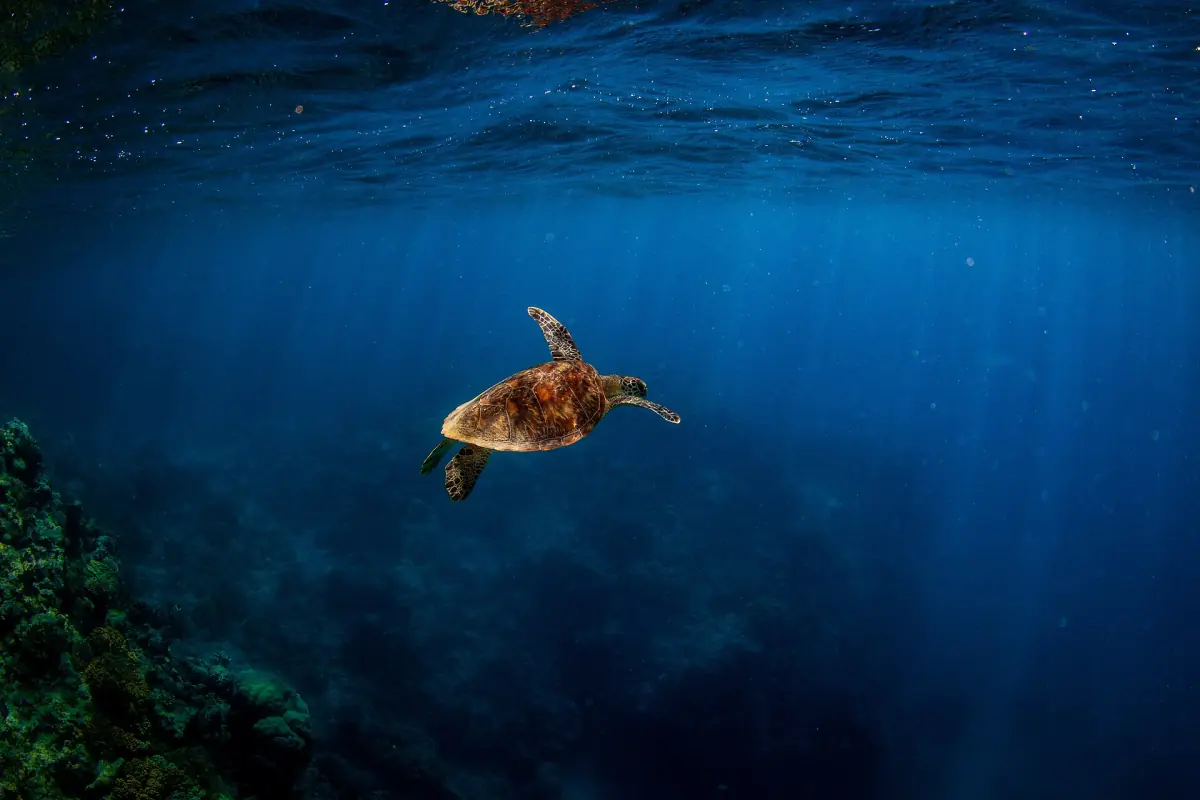
Reef tours from Cairns, Port Douglas and Airlie Beach
Pontoon day trips and island trips to see the reef yourself, with live prices and availability.
Hard coral cover: the 2025 and 2026 surveys
Share of the sea floor covered by hard coral, by region.
| Survey | North | Centre | South |
|---|---|---|---|
| Previous year's survey | 39.8 % | 33.2 % | 38.9 to 39.1 % |
| 2024/25 (124 reefs, August 2024 to May 2025) | 30.0 % | 28.6 % | 26.9 % |
| 2025/26 (121 reefs, August 2025 to June 2026) | 35.1 % | 31.6 % | 26.4 % |
In the 2024/25 survey the main driver of the loss was the 2024 bleaching, with cyclones and crown-of-thorns starfish adding to it. The northern surveys finished before the 2025 bleaching. In the 2025/26 survey the 2025 bleaching had a limited effect. Regional bleaching occurred in summer 2026. The changes in the centre and south sit within the margin of error.
The right reading: the north has recovered part of its coral, the centre and south have not changed clearly, and none of this is an all-clear.
What the numbers do and do not say
Four limits to keep in mind.
Cover is not the whole reef
Hard coral cover measures the sea floor covered by hard coral. It does not describe biodiversity or the quality of the whole ecosystem. A regional figure is not the percentage of the reef that is still alive.
Storms in 2026
Cyclone Koji came in January 2026 and Cyclone Narelle in March. Most northern surveys were done before Narelle, so a fuller damage assessment is possible in 2027.
Crown-of-thorns starfish
Starfish were seen on 27 surveyed reefs in 2026. There were no severe outbreaks, established outbreaks at 5 reefs, and a new wave is forming in the north.
One reef is not the average
Monitoring covers the region. It does not guarantee the condition of the single reef your tour visits.
World Heritage and the reef's status
In 2026 the World Heritage Committee adopted decision 48 COM 7B.69. It asks for further protection measures. A progress report is due by 1 December 2028 and a state of conservation report by 1 December 2029.
The decision does not place the reef on the list of sites in danger. It also does not say the reef is healthy.
What this means for your visit
- Ask for the reef by name. "Inner reef" is not one quality class, so ask which reef the tour visits. See the reef facts for how the reef is built.
- Do not count on a sight. Corals, fish and turtles vary by site and by day.
- Protect what is there. Do not touch or stand on coral, keep more than 1 m from giant clams and never chase animals. Our snorkeling page has the full rules.
- Expect the reef fee. It is A$8.50 for a day of 3 hours or more in the Marine Park in 2026 and A$4.25 under 3 hours.
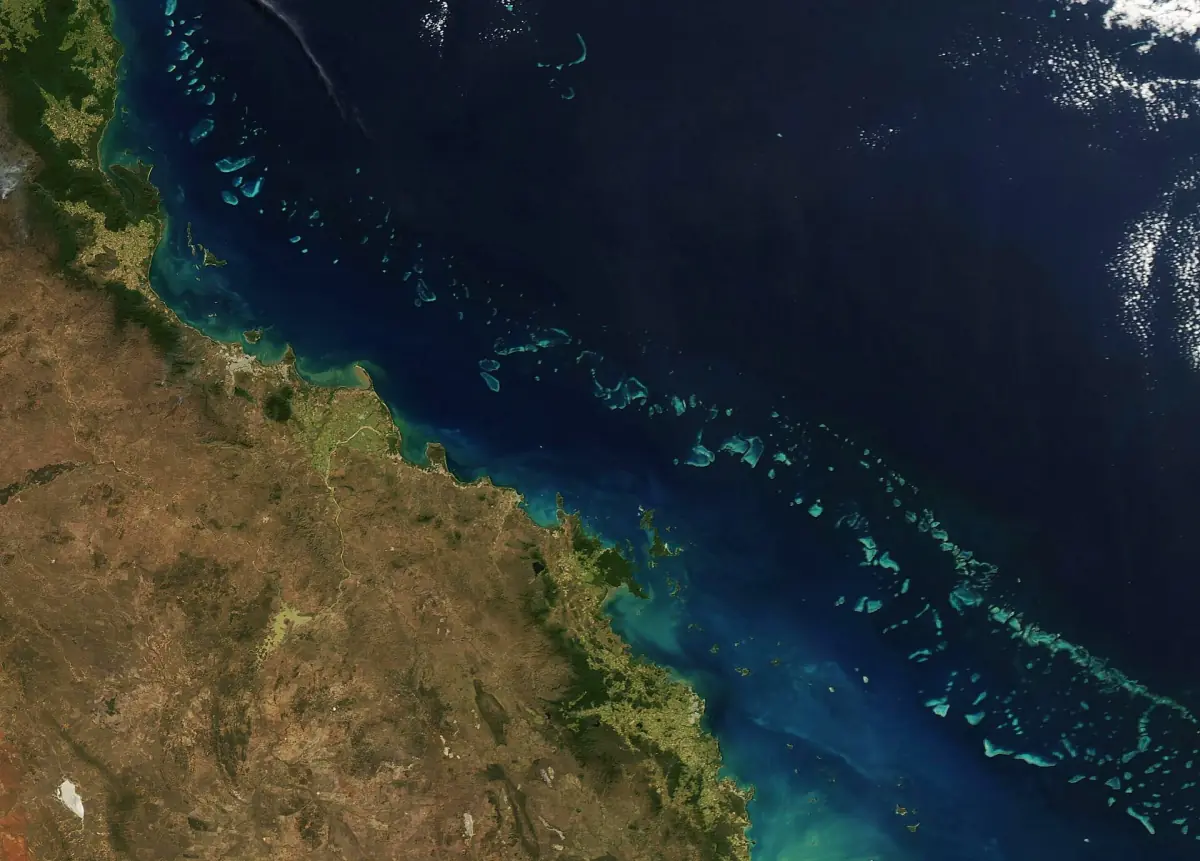
Is the Great Barrier Reef dying? Frequently asked questions
Is the Great Barrier Reef dead?
No. There is no single share of the reef that is dead. Bleaching is uneven, and coral cover in the 2025/26 survey was 35.1 % in the north, 31.6 % in the centre and 26.4 % in the south.
When did mass bleaching happen?
In 1998, 2002, 2016, 2017, 2020, 2022, 2024 and 2025. Bleaching also occurred regionally in summer 2026.
Does bleached coral always die?
No. Bleaching is not automatically complete coral death, and it affects reefs unevenly.
Can I still see healthy coral?
Many reefs still have living coral, and condition differs by site. We cannot promise what you will see on a given day, so ask the operator about the reef you will visit.
Did UNESCO list the reef as in danger?
No. The 2026 decision calls for further protection measures and sets report dates in 2028 and 2029. It does not order a listing as in danger.
Is this the official website of the Great Barrier Reef?
No. This is an independent travel guide, not connected to any authority, research body or tour operator.